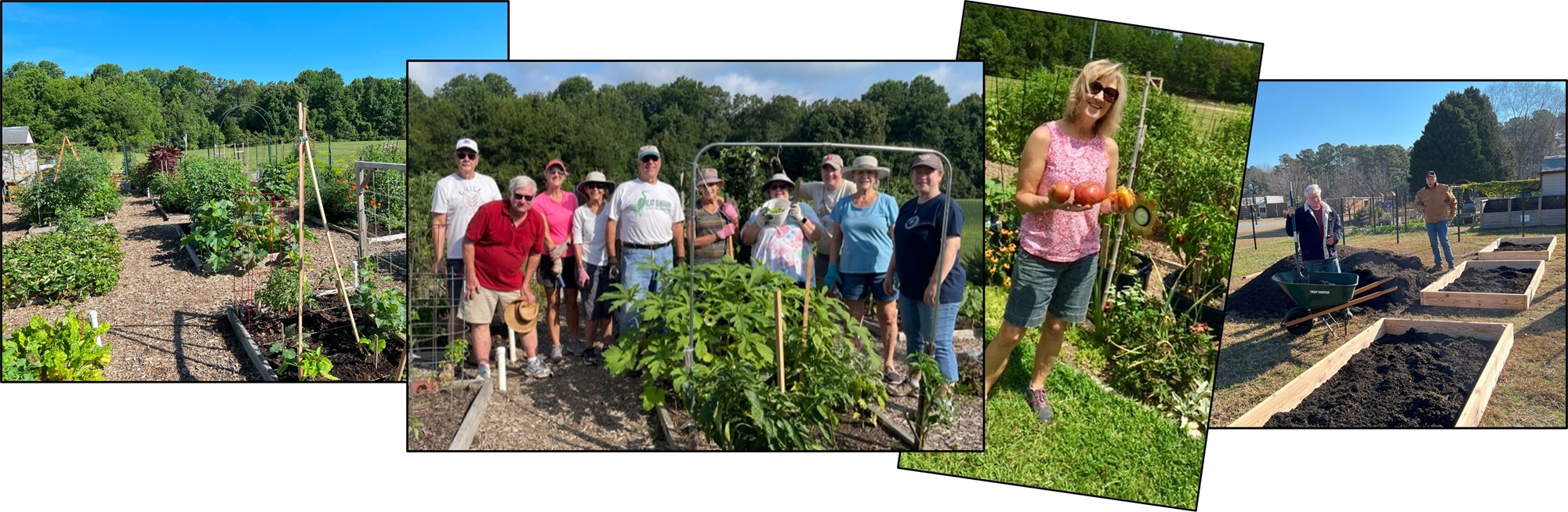
16 Years and Growing The Garden
Interview with Bill Dichtel on the Historic Triangle Learning Garden’s History, Purpose, and Future
Anne: There’s a wonderful history of the garden on our website, including the story of three teenagers winning blue ribbons at the state fair in the garden’s very first year. From what you’ve learned and heard over the years, what moments from those early days best capture the spirit of the garden for you?
Bill: This is our 16th year, and the garden began as a federally funded project to teach high school students how to garden. Students were paid, Master Gardeners volunteered, and it worked beautifully. Those early blue ribbons at the state fair reflect how successful—and joyful—that experience was for the students involved.
When the grant funding ended, the teaching mission didn’t disappear; it evolved. Gardeners began working more closely with Child Development Resources (CDR) which was, at the time, in Toano, teaching children and parents how to grow vegetables and prepare healthy meals. What’s remarkable is that, years later, CDR has purchased and renovated the adjacent building on Waller Mill Road and is now our next-door neighbor and partner. It’s a wonderful example of how the garden’s mission has come full circle.
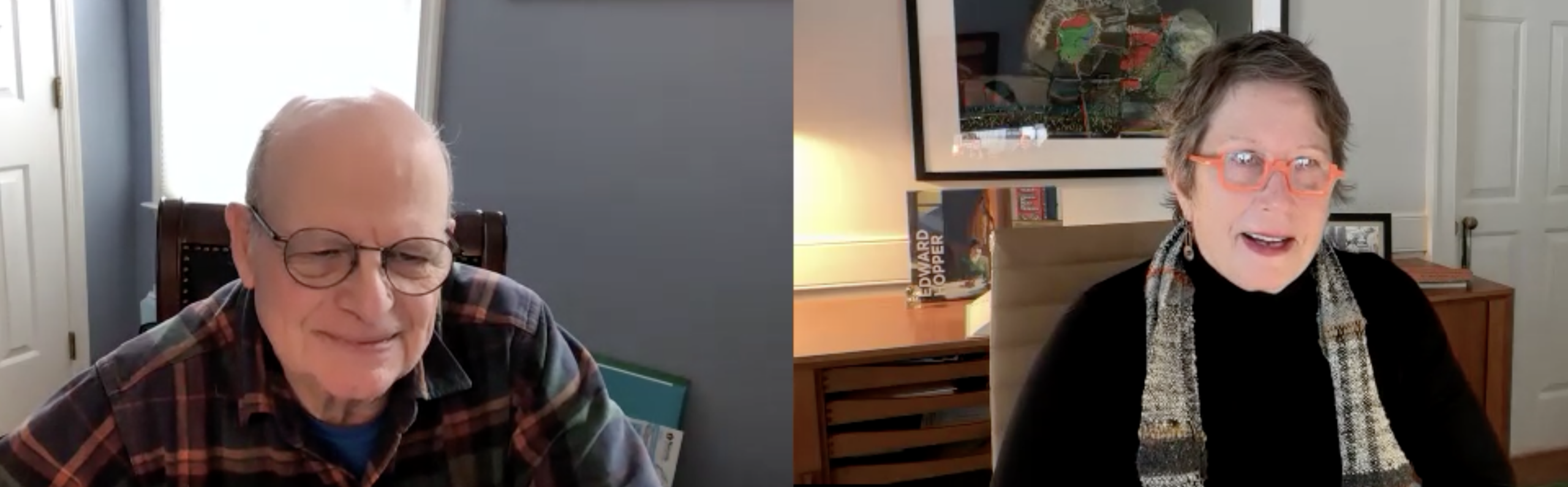
Anne: Are there particular Master Gardeners or community members who played a key role in founding or shaping the garden who we should recognize or thank?
Bill: Yes—many people helped shape this garden. Barbara and Art Gustafson and Richard Stratton were instrumental in the early years and are honored with memorial benches still in the garden today. Harriet Parsons was an extraordinary long-time leader, widely known as our “chief tomato grower,” and her teaching videos are still guiding gardeners.
Marty Oakes has been involved for many years and continues to lead, and Kim Silver and Renee Kingan deserve special recognition for guiding our food-donation efforts. Last year alone, those efforts resulted in about 600 pounds of fresh produce donated to FISH and the House of Mercy.
Anne: I see that you became a Master Gardener in 2018. How did you come to lead this garden? What inspired you to take on the role, and what keeps you going?
Bill: I joined in 2018 after Marty Oakes encouraged my wife and me to come out to the garden. We got a plot soon after and became deeply involved. I never planned to become the garden leader—Harriet Parsons had led for many years, and when Marty was serving as Master Gardener president, I somehow ended up holding the torch.
What keeps me going is the people. Leaders like Kim Silver, Helen Cronk, Nancy Lia, and others do the real work. We’re also fortunate to have dedicated community members like Ralph Waagner, whose construction and maintenance leadership has been invaluable. This garden succeeds because it’s truly a team effort.
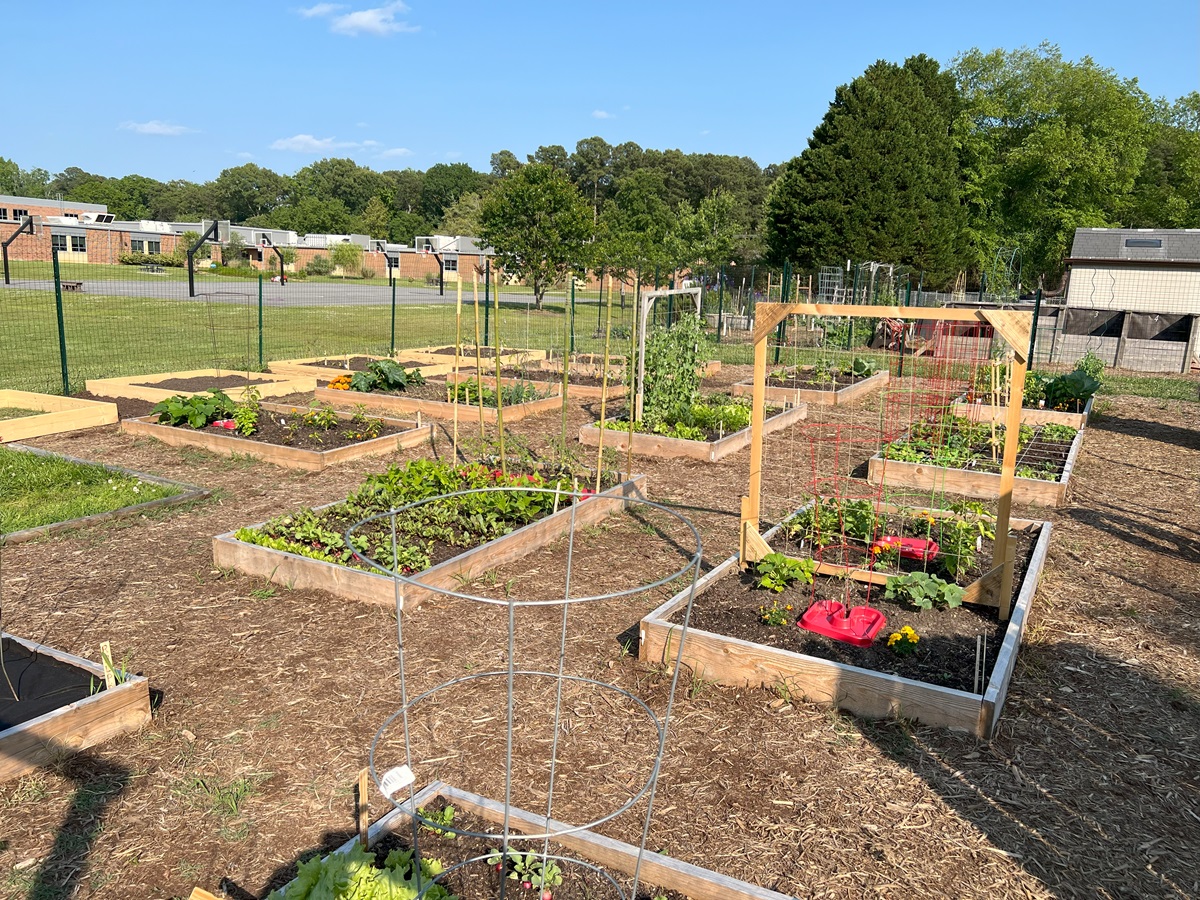
Anne: In the last few years, the garden has faced challenges related to the construction of the new CDR building. How did the team adapt, and what did that experience reveal about the strength and flexibility of the garden community?
Bill: We had to adapt in many ways—adjusting fencing, gates, and access points to meet CDR’s needs for safety and visibility. Our gardeners handled those changes with flexibility and good spirit, and we didn’t lose any raised beds.
CDR worked closely with us, improving access and even drilling a shared well to help with irrigation. Most exciting is our collaboration on a sensory garden designed with CDR therapists—an inclusive space that will engage touch, smell, sight, sound, and possibly taste, benefiting children and welcoming families and visitors.
Anne: At its core, what do you feel is the purpose of the garden? If you had to put it in just a couple of sentences, what would you say?
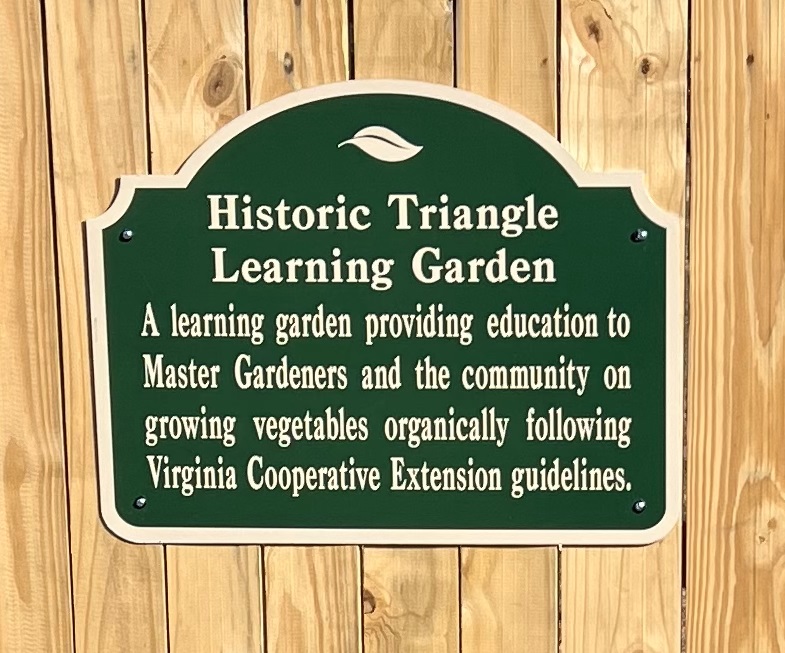
Bill: At its heart, the garden exists to teach and to serve. We teach each other and the wider community about gardening, and we grow food for those who need it.
As construction winds down, we’re eager to expand public outreach again—through presentations, partnerships, and support for other community gardens. Teaching and service define who we are.
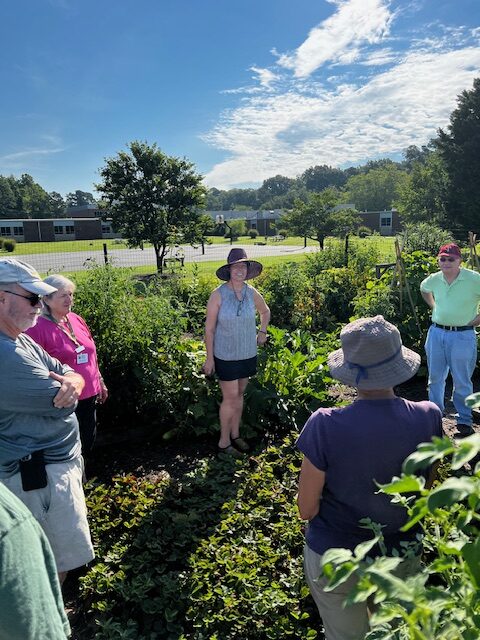
Anne: For someone who is new to the garden and might choose to get involved this year, what does a typical workday or growing season look like? What surprises people most?
Bill: One of the garden’s strengths is flexibility. Some people focus on growing food for donation, others on flowers and beautification, and others on maintenance or building projects.
Workdays usually center on community tasks, while individual gardeners tend their own beds at other times. What surprises people most is how welcoming the garden is—and how many ways there are to contribute meaningfully.
Anne: As you look toward the coming year, what are your hopes for the garden and the community it serves?
Bill: This is an exciting year. CDR begins moving into their new building in February, and we’re eager to support their therapists, children, and families as neighbors and partners.
Our hope is to continue growing as a garden that teaches, gives back, and brings people together – strengthening both the land and the community it serves.
Anne: Do you have any parting words you’d like to share?
Bill: The garden exists because of its volunteers. People like Kim Silver, Renee Kingan, Marty Oakes, Ralph Waagner, Helen Cronk, Nancy Lia, – and many others who likewise are very dedicated—show up again and again.
They are the heart and soul of this garden, true helpers and true volunteers, and I’m deeply grateful for all they do.