Category: Carbon Garden

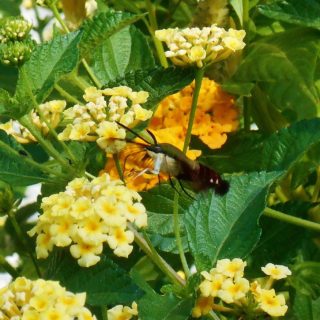
A hummingbird moth feeds on Lantana 'Chapel Hill Yellow'

Top Plant Picks for Summer Color: Flowers (Part 1)

  Colorful flowers and enticing plants fill every table and rack at garden centers right now.  Even the most experienced gardener may feel a little overwhelmed with so many beautiful choices. Annual or perennial?  How big will this get? Will deer and bunnies eat it?  How long will it bloom?  Sun or shade?  Will it grow in a pot?  Will it stand the heat?  How much care will it require? And most importantly, will it go the distance and survive...
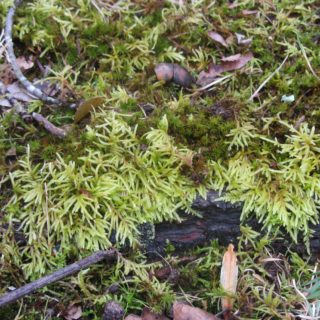
Cultivating Moss Part 1: Native Mosses in the Garden

How much do you know already about mosses?  They are so common; you will find them growing most anywhere.  Take the Moss Quiz, and you’ll find the answers at the end of Part 2 of this post. The Moss Quiz      1.  Which will kill moss the fastest?   A.  Letting it dry out   B.  Watering it        2.  Will moss make new roots if you transplant it?   A.  Yes   B. No        3.  Can I share my beer...

Tales from the Help Desk, Uninvited Mushrooms

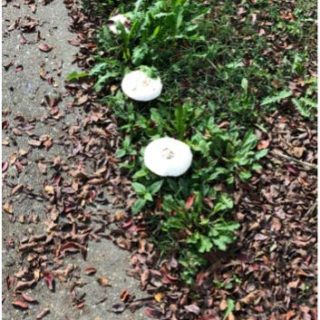
Q. Why are mushrooms in my yard? How can I get rid of them? A. Mushrooms tend to pop up in the fall due to shady, cool, and moist conditions and the availability of organic material in the lawn. The mushroom is the fruit of an underground feeding network (mycelium) of fungal threads (hyphae). Fungi feed on decomposing plant material and make that material accessible to the grass growing in the yard. Mushrooms do not damage the lawn and can...

Building a ‘Carbon Garden’

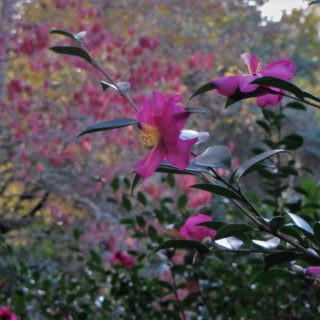
  You may be ahead of me on this one, but the picture that came to mind when I first saw the term ‘Carbon Garden’ in the January 2021 issue of Horticulture Magazine wasn’t very pretty.   In practice, a carbon garden is not only beautiful, but this garden style proves easier to maintain than many others. A Quick Summary of the Science Like other elements, carbon is an atom that can manifest as a solid, in a liquid, or...

Working With Nature to Put the Garden to Bed

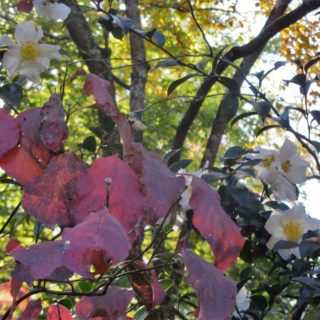
  “Leave it be.”  Words I heard with some frequency growing up…. This simple bit of advice may be just the wisdom we need whether baking, navigating relationships, or preparing the garden for winter.  “Leave it be” insists that we quiet our urge to interfere with natural processes.  It asks us to step back and observe; to allow for a solution to unfold on its own.     Some gardeners feel compelled to tidy up the leaves and sticks as...

Fabulous Ferns for Every Garden

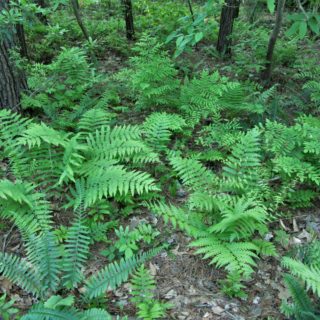
Why do gardeners use ferns in their designs?  Ferns form an important layer in the landscape, especially in shady gardens.   Peaceful and calming, they grow lushly, providing both structure and interesting texture.   Some may dismiss ferns as uniformly green, but many varieties provide vibrant color.   Ferns make excellent ground cover, specimen and filler plants.  While some grow as single fronds arising from a rhizome, or in small vase-shaped clusters, many ferns spread to form larger and larger clumps over time.

Ferns are very easy to grow, needing little care. They rarely have any sort of disease or pest, and neither chemicals nor machines are needed to care for them.  All types of ferns are perennials and grow better with the passing years.

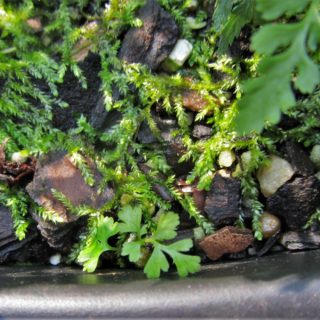
Unraveling the Mystery of Growing Ferns from Spores

Ferns have successfully propagated themselves in nature, with no human assistance, for millennia. So it shouldn’t be too complicated, right?