Category: Propagation

Resourceful Gardening with Seed Bombs

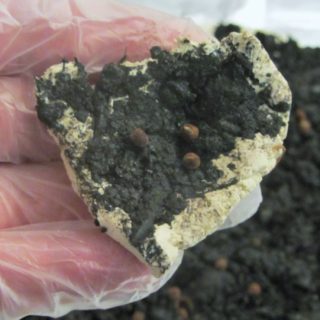
Seed bombs, also known as earth balls or seed balls, have roots in classical Egyptian agricultural practices.  The method may have been widespread in the ancient world as an efficient way to sow large amounts of seed quickly, with minimal tools, especially after floods and other disruptions.  Available sources indicate that some Native Americans used this method for sowing seeds. It is an effective way to sow seeds in areas with little rain. A seed bomb is made with clay...
Cultivating Moss Part 3: Photos and Further Resources

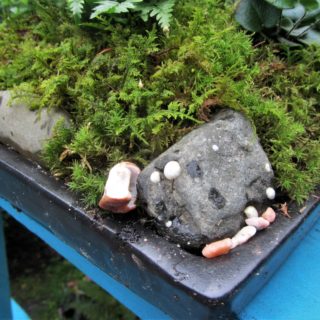
A fern table needs mosses to serve as mulch, holding the planting medium in place.   Moss Garden Resources Find links to some excellent books, informative websites, and good sources for moss listed below: Hamilton, Helen.  Ferns and Mosses of Virginia’s Coastal Plain.  2017. Martin, Annie.  The Magical World of Moss Gardening.  2015. Nordström, Ulrica.   Moss: From Forest to Garden: A Guide to the Hidden World of Moss.  2018 Smith, Richard R.  New Methods in Moss Gardening:  How to Grow...

Hellebores: Winter Flowers for Pollinators

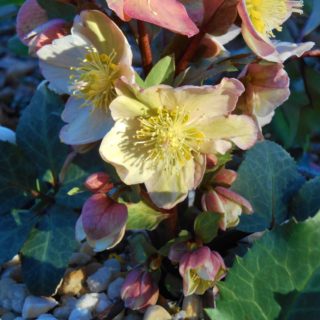
What blooms through the snow in your yard?  Many older homes in our neighborhood have established clumps of evergreen hellebores blooming from January through April or May.  Suddenly, there are delicate pink and white petals emerging in the depths of winter. I asked a new friend about them soon after we moved to Williamsburg, and she generously gave me trays full of seedling plants when she thinned hers that spring.  What a wonderful gift!  The plants she gave to me...

Fabulous Ferns for Every Garden

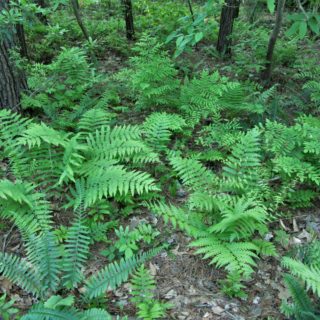
Why do gardeners use ferns in their designs?  Ferns form an important layer in the landscape, especially in shady gardens.   Peaceful and calming, they grow lushly, providing both structure and interesting texture.   Some may dismiss ferns as uniformly green, but many varieties provide vibrant color.   Ferns make excellent ground cover, specimen and filler plants.  While some grow as single fronds arising from a rhizome, or in small vase-shaped clusters, many ferns spread to form larger and larger clumps over time.

Ferns are very easy to grow, needing little care. They rarely have any sort of disease or pest, and neither chemicals nor machines are needed to care for them.  All types of ferns are perennials and grow better with the passing years.

Unraveling the Mystery of Growing Ferns from Spores

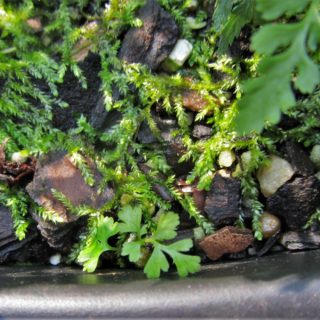
Ferns have successfully propagated themselves in nature, with no human assistance, for millennia. So it shouldn’t be too complicated, right?