Category: Tree Care

Planting Trees and Other Hacks to Manage Wet Soils

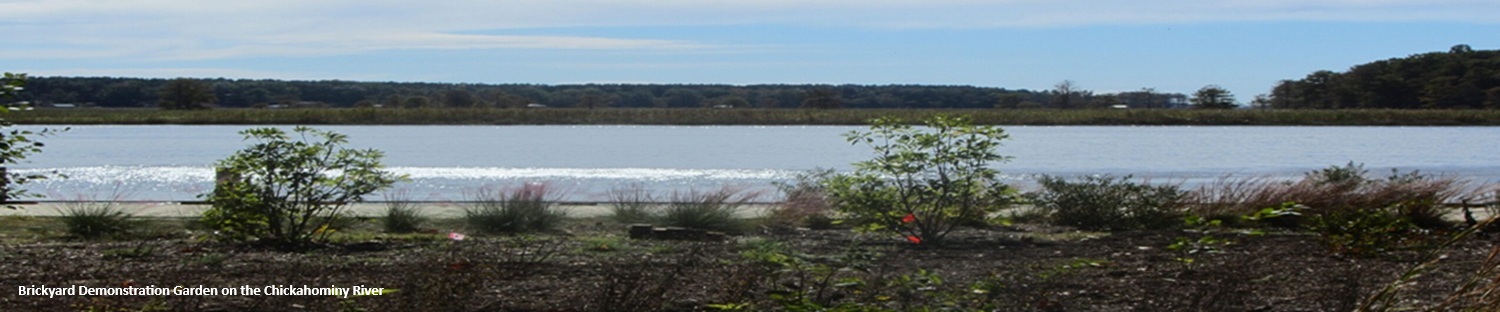
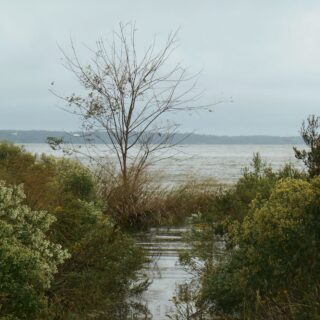
  Water may be a blessing or a curse.  Gardeners usually want abundant rain to nurture their plantings and generally have a back-up irrigation plan for dry spells.  Providing the right amount of water for each plant is one of the keys to a gardener’s success. Working With the Water Cycle Just as leaves absorb carbon from the air, so roots absorb water from the soil.  The water, and any chemicals or elements dissolved in it, may be stored in...
Tales From the Help Desk: Crape Myrtle Bark

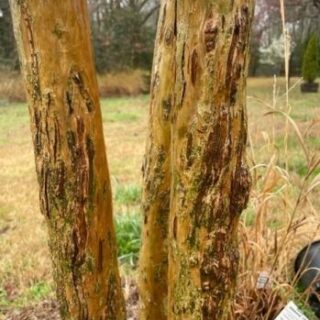
Q.  My crape myrtles have splits on the bark.  What is going on? A.  Your crape myrtles appear to have sun scald.  Crape myrtles, Lagerstroemia indica, are considered a relatively problem-free tree. The Clemson Cooperative Extension website cites the most common problems as powdery mildew, Cercospora leaf spot, aphids, Japanese beetles, sooty mold, and the recently recognized crape myrtle bark scale. Clearly, the photo of your tree shows no indications of any of these diseases and insects. Your tree likely...

Tales From the Help Desk: Growths on Tree Bark

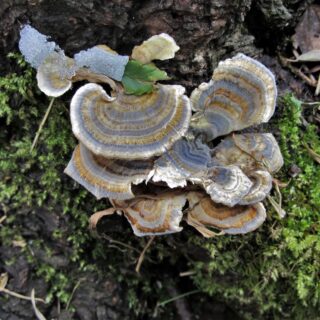
Q:  Something is growing on the bark of my tree.  Is that a problem? A:  It depends.  If it is flat and looks rather lacy, it’s lichen and does not harm the tree. If the growth on your tree bark is shaped like a shelf and looks like a mushroom, it is a conk. Conks indicate that the tree has internal decay. Lichen is a symbiotic relation between certain types of fungi and algae. They have a very shallow attachment...