Category: Edible Plants

Farm to Table in Williamsburg

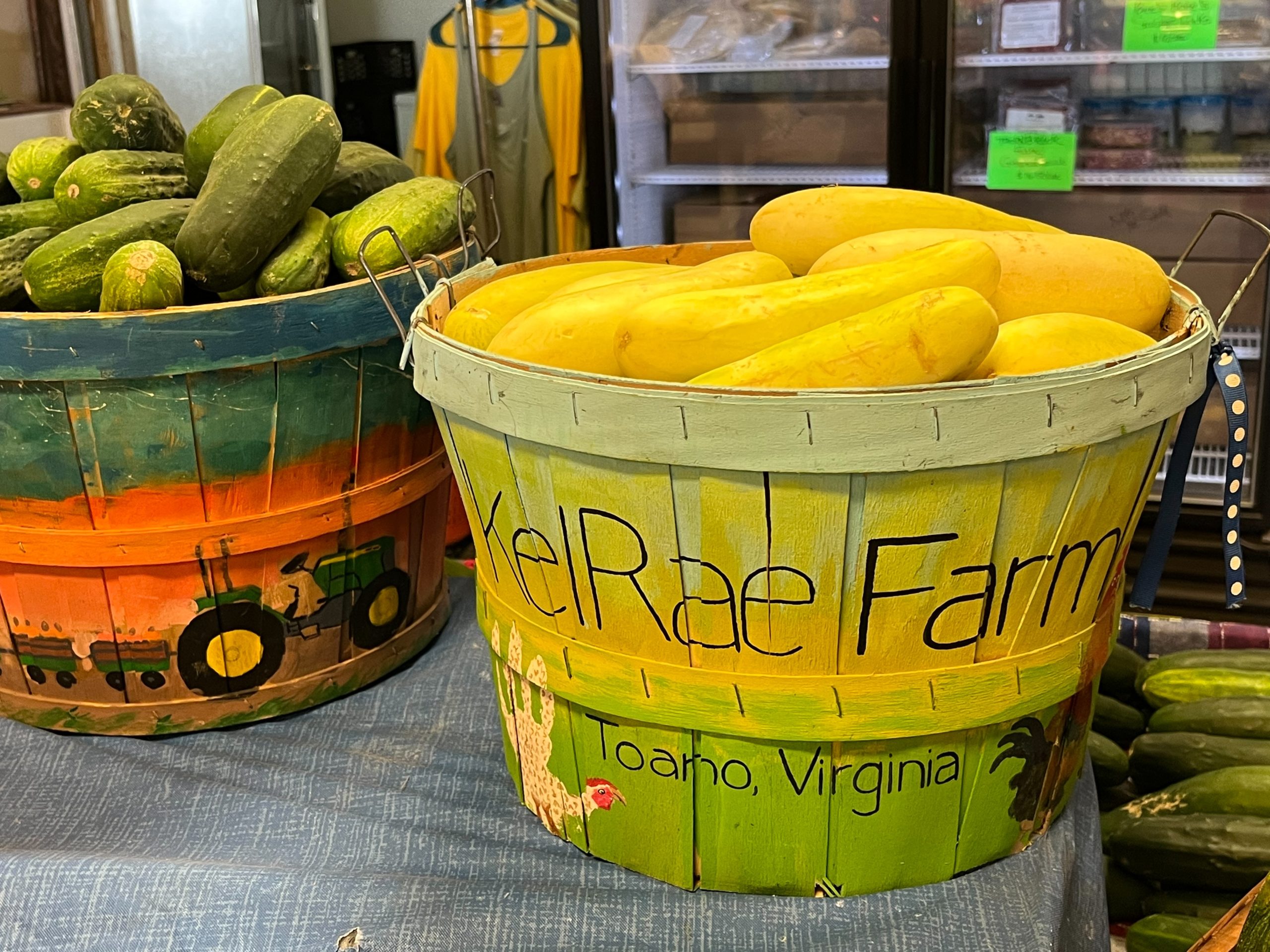
A Tour of KelRae Farm, by Michele Garrard, Master Gardener, Class of 2022      Boots on the Ground Tour – As part of their training, the James City County Williamsburg Master Gardeners (JCCWMG) recently received a “boots on the ground” tour of KelRae Farm, located in Toano, VA. Leading the tour was the farm’s owner-operator, Michelle Gulden. Michelle together with her husband Randy, took over the farm in 2001 from Randy’s great uncle, Henry M. “Buck” Hazelwood, and they...
Therapeutic Gardening in a Botanical Garden

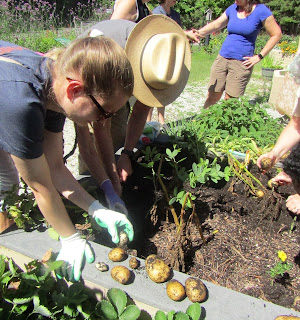
A Special Needs Gardening Program! A collaboration between our Master Gardeners and Arc, the Arc of Abilities Day Support Program is for adults with special needs.  The program teaches participants how to grow and use flowers, vegetables, and herbs that they cultivate in four large, raised beds year-round in the Williamsburg Botanical Garden’s Therapeutic Garden, and on rainy days in the Park’s Visitor’s Center. In a partnership that has lasted for more than five years, Master Gardeners meet with Arc...

What Is Going on at the Historic Triangle Learning Garden?

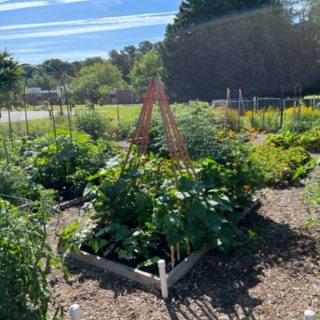
  The Historic Triangle Learning Garden is one of many projects led by members of the James City County/Williamsburg Master Gardeners.  It is located  right behind the CDR building and next door to Waller Mill Elementary School, at 312 Waller Mill Road. Originally known as “Incredible Edibles,” the project changed its name to the Historic Triangle Learning Garden in 2021 to reflect a broader range of interests, including growing flowers, supporting pollinators, and practicing other aspects of organic gardening, in...

What is a Weed?

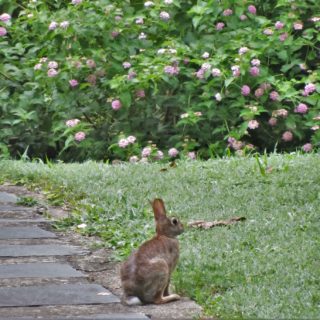
A family of rabbits gathers each evening at dusk to nibble their way through the clover and creeping Charlie that populate our front ‘lawn.’  They prefer to nibble plants that we don’t cultivate and won’t miss.  A motley mix of volunteer species, interspersed with a few grasses, grow in the open space between the patio and hedge.  While we call it a ‘bee lawn,’ others might say our lawn is infested with weeds. What is a Weed? Any plant growing...

Designing With Lemon Scented Plants

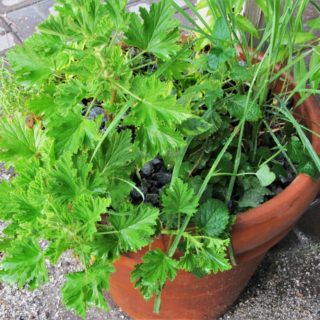
  Picnics with citronella candles, lemon scented furniture polish and sweet tea with lemons all recall happy childhood memories.   Fragrance has a profound ability to create or shift a mood, to trigger memories and create new ones.  Just as cinnamon evokes the holidays; crisp, cool lemon is a summertime fragrance. Most lemon scented plants thrive in warm climates.  Lemon trees, Citrus limon, are hardy only to Zone 8.  Originally native to Asia, they spread throughout the ancient world wherever the...

Designing Plantings to Host Butterflies and Moths

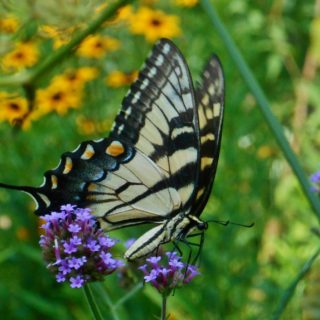
  A friend was excited to buy milkweed plants at a WBG plant sale several years ago. They aren’t easy to find commercially, and few people raise them from seed.  When I saw her again a few weeks later, I inquired about how her plants were doing. “Oh, I must have done something wrong. They’re not looking so good.  Most of the leaves have disappeared,” she replied.     I quickly reassured her that it was unlikely she had done...

Fabulous Ferns for Every Garden

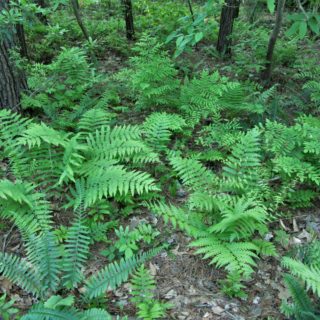
Why do gardeners use ferns in their designs?  Ferns form an important layer in the landscape, especially in shady gardens.   Peaceful and calming, they grow lushly, providing both structure and interesting texture.   Some may dismiss ferns as uniformly green, but many varieties provide vibrant color.   Ferns make excellent ground cover, specimen and filler plants.  While some grow as single fronds arising from a rhizome, or in small vase-shaped clusters, many ferns spread to form larger and larger clumps over time.

Ferns are very easy to grow, needing little care. They rarely have any sort of disease or pest, and neither chemicals nor machines are needed to care for them.  All types of ferns are perennials and grow better with the passing years.

Planting a ‘Food Forest’ at Home for Sustainable Harvests

For most of human history, families relied on gathering foods growing in their environment for some portion of their diet.  And many of these delicious and nutritious foods grow on long-lived trees or shrubs, from persistent perennials, or from plants that readily self-seed.  This very sustainable form of agriculture allows for food production with few inputs of water, fertilizer or labor, once the plants establish.  Perhaps most importantly, there is minimal disturbance to the soil’s ecosystem.

Making Container Gardens for Wildlife

  An older woman made her way slowly through the aisles of the garden center’s outdoor display area, leaning heavily on a cane.  As I turned, hands loaded with small pots, she was behind me.  She smiled and asked whether I had seen any bee balm on the display of herbs I’d been scanning. We began to chat, and it turned out that she wanted to attract hummingbirds to the balcony of her apartment.  Someone had told her that hummingbirds...

Bringing Birds to the Garden

  Do you feed the birds? Most of us gardeners do. Unless you are protecting a crop of blueberries or blackberries, you probably enjoy the energy and joy birds bring to the garden with their antics and songs. Birds also vacuum up thousands of flying, crawling, and burrowing insects. Even hummingbirds eat an enormous number of insects as they fly around from blossom to blossom seeking sweet nectar. Birds are an important part of a balanced garden community. We have...