Category: Perennial Care

2023 Perennial Choice

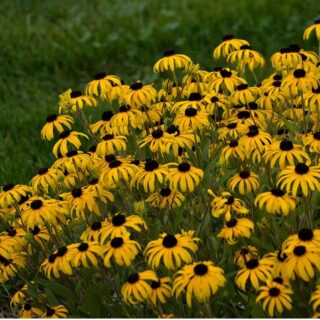
The Perennial Plant Association has named a new cultivar of the familiar black-eyed Susan as its 2023 perennial plant of the year – ‘American Gold Rush’. Like its older cousin ‘Goldsturm’, this plant is a hybrid among several species of Rudbeckia. It is said to be easy to grow with a long period of bloom in late summer on a compact habit and foliage that is less disease-prone. We are all familiar with the daisy-like bright yellow flowers with dark...
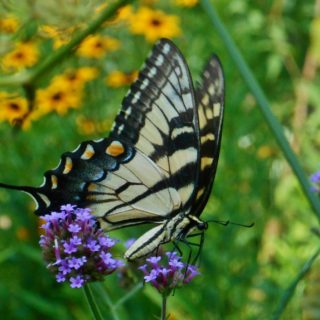
Designing Plantings to Host Butterflies and Moths

  A friend was excited to buy milkweed plants at a WBG plant sale several years ago. They aren’t easy to find commercially, and few people raise them from seed.  When I saw her again a few weeks later, I inquired about how her plants were doing. “Oh, I must have done something wrong. They’re not looking so good.  Most of the leaves have disappeared,” she replied.     I quickly reassured her that it was unlikely she had done...

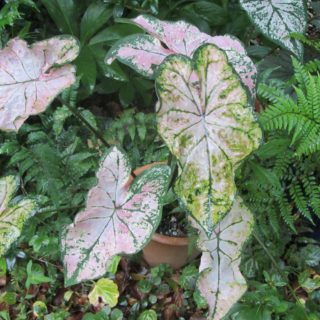
Top Plant Picks for Summer Color: Foliage (Part 2)

Colorful and enticing plants fill every table and rack at garden centers in May.  Even the most experienced gardener may feel a little overwhelmed with so many interesting choices. Annual or perennial?  How big will this get? Will deer and bunnies eat it?  How long will it last?  Sun or shade?  Will it grow in a pot?  Will it stand the heat?  How much care will it require?  And most importantly, will it go the distance and survive all season?...

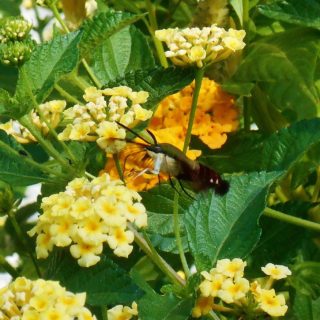
A hummingbird moth feeds on Lantana 'Chapel Hill Yellow'

Top Plant Picks for Summer Color: Flowers (Part 1)

  Colorful flowers and enticing plants fill every table and rack at garden centers right now.  Even the most experienced gardener may feel a little overwhelmed with so many beautiful choices. Annual or perennial?  How big will this get? Will deer and bunnies eat it?  How long will it bloom?  Sun or shade?  Will it grow in a pot?  Will it stand the heat?  How much care will it require? And most importantly, will it go the distance and survive...

Cultivating Moss Part 2: Propagation Methods

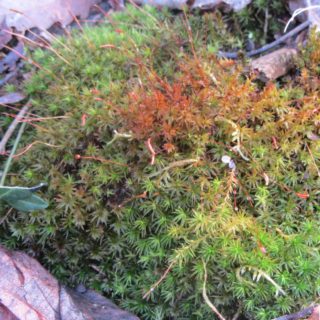
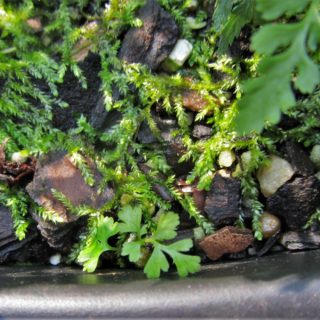
  Mosses are wild, native plants and find spots to grow where conditions support them.  They reproduce sexually with tiny spores that blow on the wind.  They need consistent moisture to transform from a spore to a small plant, but they do it without any interference from the gardener.  One way to develop a moss garden is to provide favorable conditions and let the mosses colonize on their own terms.  This may take several years, even with consistent efforts to...

Cultivating Moss Part 3: Photos and Further Resources

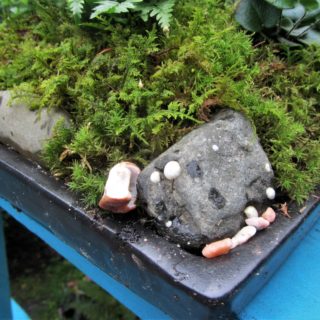
A fern table needs mosses to serve as mulch, holding the planting medium in place.   Moss Garden Resources Find links to some excellent books, informative websites, and good sources for moss listed below: Hamilton, Helen.  Ferns and Mosses of Virginia’s Coastal Plain.  2017. Martin, Annie.  The Magical World of Moss Gardening.  2015. Nordström, Ulrica.   Moss: From Forest to Garden: A Guide to the Hidden World of Moss.  2018 Smith, Richard R.  New Methods in Moss Gardening:  How to Grow...

Hellebores: Winter Flowers for Pollinators

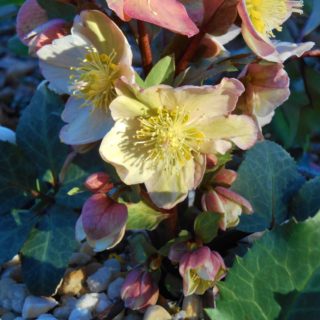
What blooms through the snow in your yard?  Many older homes in our neighborhood have established clumps of evergreen hellebores blooming from January through April or May.  Suddenly, there are delicate pink and white petals emerging in the depths of winter. I asked a new friend about them soon after we moved to Williamsburg, and she generously gave me trays full of seedling plants when she thinned hers that spring.  What a wonderful gift!  The plants she gave to me...

Working With Nature to Put the Garden to Bed

  “Leave it be.”  Words I heard with some frequency growing up…. This simple bit of advice may be just the wisdom we need whether baking, navigating relationships, or preparing the garden for winter.  “Leave it be” insists that we quiet our urge to interfere with natural processes.  It asks us to step back and observe; to allow for a solution to unfold on its own.     Some gardeners feel compelled to tidy up the leaves and sticks as...

Unraveling the Mystery of Growing Ferns from Spores

Ferns have successfully propagated themselves in nature, with no human assistance, for millennia. So it shouldn’t be too complicated, right?

Planting a ‘Food Forest’ at Home for Sustainable Harvests

For most of human history, families relied on gathering foods growing in their environment for some portion of their diet.  And many of these delicious and nutritious foods grow on long-lived trees or shrubs, from persistent perennials, or from plants that readily self-seed.  This very sustainable form of agriculture allows for food production with few inputs of water, fertilizer or labor, once the plants establish.  Perhaps most importantly, there is minimal disturbance to the soil’s ecosystem.