Category: Learning Gardens

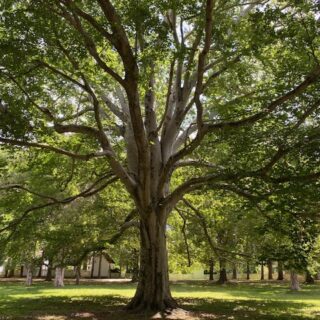
Beech, the Mother Tree, Queen of the Forest

A Mythic Forest The American beech, Fagus grandifolia, once covered most of North America from Canada to Mexico and from the Atlantic to the Pacific coasts.  Before colonists cleared our ancient forests for farmland, large beech groves grew as part of the climax forest community.  A single beech tree can live for centuries, and as it ages it surrounds itself with sapling trees growing as suckers from its relatively shallow root system, forming an expanding grove of graceful beech trees....
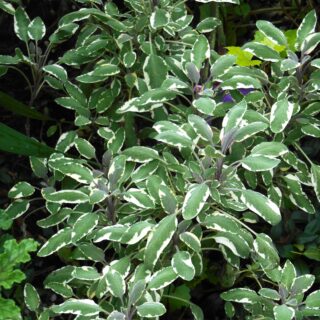
Tricolor culinary sage

Sage ‘The Savior’

  “Why should a man die in whose garden grows sage? Against the power of death there is not medicine in our gardens But Sage calms the nerves, takes away hand Tremors, and helps cure fever. Sage, castoreum, lavender, primrose, Nasturtium, and athanasia cure paralytic parts of the body. O sage the savior, of nature the conciliator!” From the Regimen Sanitatis Salernitanum ca 1100-1200 CE   The name Salvia officinalis, designating our common culinary sage, derives its species name from...

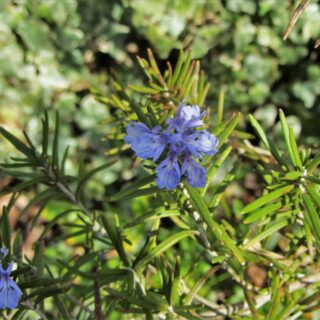
Mythical Rosemary

  Mythical Rosemary The woody, green fragrance of rosemary brings happiness.  Rosemary has served as food, fragrance, medicine, as a religious tool, and as a favorite garden plant for millennia. It is considered a sacred and magical herb, associated both with Aphrodite and with Mother Mary.  Rosemary has been planted in monastery, temple, medicinal and royal gardens over many centuries. Known now as Salvia rosmarinus, rather than the Rosmarinus officinalis we all learned, rosemary has one of the longest cultural...