Tagged: container gardening

The Secret Lives of Roots

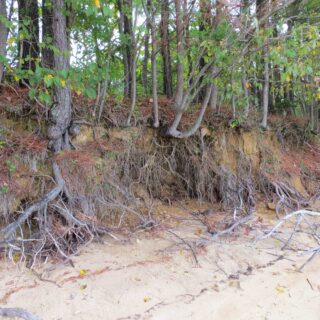
  A display of striking, contemporary glass vases waited on the counter where I paid for my bulbs in the Heath family’s Bulb Shop in Gloucester last week.  A Hyacinth bulb nestled in the curves of one of them; with thick white roots emerging from its base reaching into the water below.  These were tall, crystal clear vases designed for forcing bulbs indoors during the winter.  Their height allowed room for the bulb’s roots to grow freely, as they do...
In Defense of Ivy

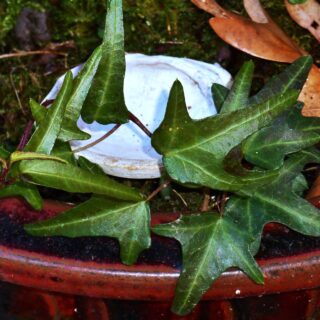
  Ivy:  Hero or Villain? English ivy, celebrated in hymns and carols, rich in history and tradition, may be among the most hated of ‘imported’ plants for some American gardeners.  Native plant enthusiasts may call ivy a ‘noxious weed.’  And now, thanks to a new state law, HB 1941, which will go into effect in Virginia in January of 2027, horticultural retailers will be required to label ivy as an invasive plant and suggest alternatives whenever it is sold directly...

Finding Success with Maidenhair Ferns

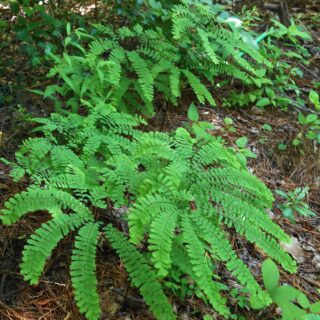
  Maidenhair ferns look so delicate and fragile I avoided planting them for the first thirty-odd years of my gardening adventures.  I had no confidence in keeping them alive through a Virginia summer because I expected them to be fussy, requiring far more skillful care than I could offer. Native Northern Maidenhair Ferns When I first toured the Williamsburg Botanical Garden as a newly minted Master Gardener intern in April of 2018, our guide, Dr. Donna Ware, pointed out a...

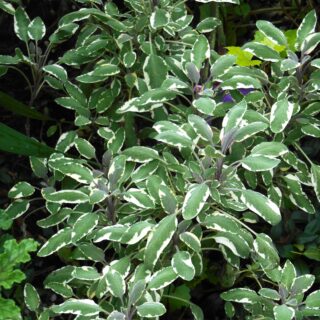
Tricolor culinary sage

Sage ‘The Savior’

  “Why should a man die in whose garden grows sage? Against the power of death there is not medicine in our gardens But Sage calms the nerves, takes away hand Tremors, and helps cure fever. Sage, castoreum, lavender, primrose, Nasturtium, and athanasia cure paralytic parts of the body. O sage the savior, of nature the conciliator!” From the Regimen Sanitatis Salernitanum ca 1100-1200 CE   The name Salvia officinalis, designating our common culinary sage, derives its species name from...

Magical Thyme

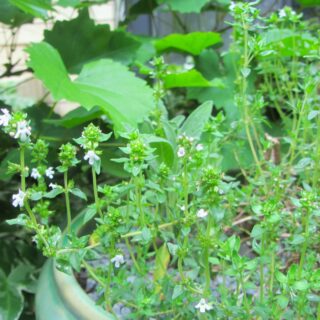
  “I know a bank where the wild thyme blows, Where oxlips and the nodding violet grows, Quite over-canopied with luscious woodbine, With sweet musk-roses and with eglantine: There sleeps Titania sometime of the night, Lull’d in these flowers with dances and delight; And there the snake throws her enamell’d skin,  Weed wide enough to wrap a fairy in:” William Shakespeare, from A Midsummer Night’s Dream Magical Thyme If you are wanting to conjure a bit of magic in your...

A Tea Story: Past and Future

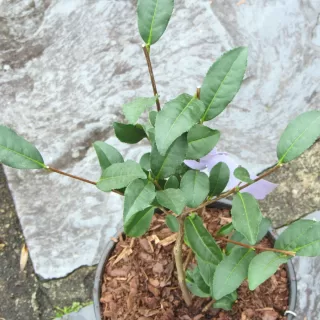
The Long Story of Tea in America Have you ever wondered where your tea comes from?  Tea is one of those everyday things that we can always find at the grocery or convenience store.  You may remember that tea was imported to Boston in the Colonial era.  Maybe you also remember the story of how colonists, dressed as Native Americans, dumped the British East India Company’s cargo of tea into the Boston Harbor in December 1773 to protest unfairly high...

Patriotic Container Gardens for Summer Celebrations

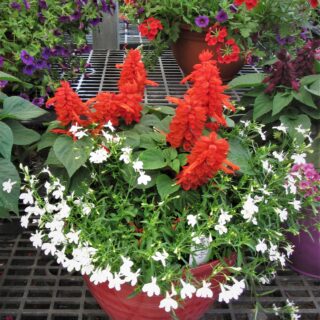
The Historic Red, White and Blue Red, White and Blue is the iconic color scheme of an American summer.  These colors each have deep meanings and various interpretations.  American revolutionaries adopted these colors for our colonial flags beginning in 1776.  Yet red, white and blue were also the colors of the British flag, and the British Red Ensign Flag, a field of red with a Union Jack in the upper left corner, which flew over Colonial and British ships from...

Landscaping With Herbs Part III: Annual, Biennial and Tender Perennial Herbs

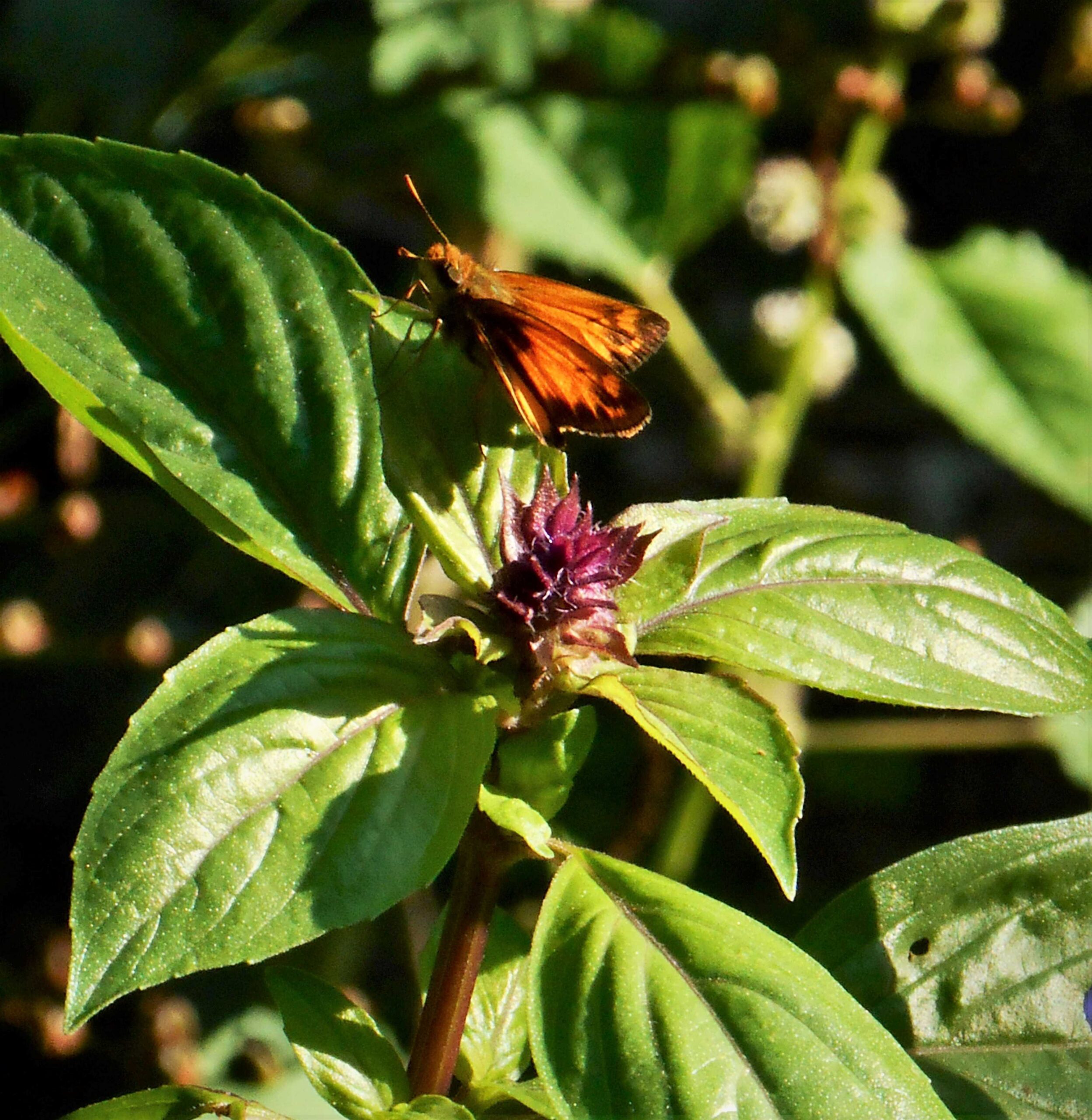
Benefits of Garden Herbs Herbs attract hummingbirds and butterflies like few other plants.  It is worth planting a few herbs whether you plan to harvest and cook with them or not because they are tough, easy to grow, and beautiful.  They come with side benefits; their essential oils not only offer fragrance and flavor, but they also deter grazers.  If you have watched deer chew your roses and impatiens like deer candy, know that your herbs will survive their curiosity. ...

Landscaping With Herbs Part II:  Deciduous Perennial Herbs

What is an Herb? Why is mint an herb, but clover isn’t?  Have you ever given it much thought?  Botanically, any plant with a soft stem, that dies back in winter, is ‘herbaceous.’  Were you give a stack of a dozen cards, each with the name and picture of a plant, could you sort them into ‘herbs’ and ‘not herbs’? If asked, most of us could probably name at least five herbs.  Those used in cooking, like basil and thyme...

Landscaping with Herbs in Williamsburg

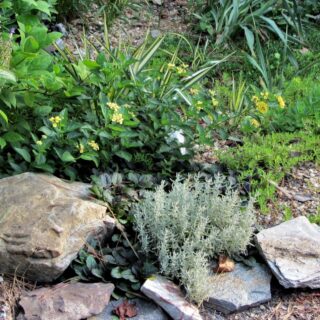
  Once upon a time, I found herb gardening a topic of mystique and mystery.  Maybe it was the herb gardening books I found, with their illustrations of medieval knot gardens, and the cute little pots of culinary herbs grown on the wide, sunny windowsill of someone’s gourmet kitchen.  Or maybe it was learning that many herbs prefer a Mediterranean climate with dry, rocky soil and lots of sunshine.  How could I replicate that in Virginia? It may have been...