Tagged: Food Forest

Part 2: PNV: Potential Natural (Native) Vegetation

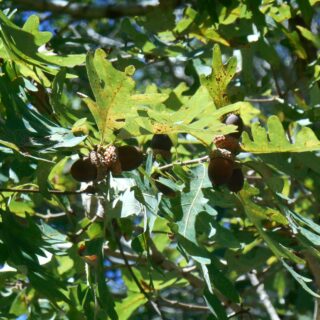
  Appropriate Species for Tiny Forests in Eastern Virginia Tiny forests designed following the Miyawaki method include a wide variety of native trees, shrubs, and ground covers planted randomly and densely, varying the heights of trees to establish a canopy layer, intermediate layers, and a ground cover layer.  Plant as many as 3 to 5 plants per square meter into the prepared soil.  Plants grow quickly, reaching for the light.  A forest that takes a century or more to develop...
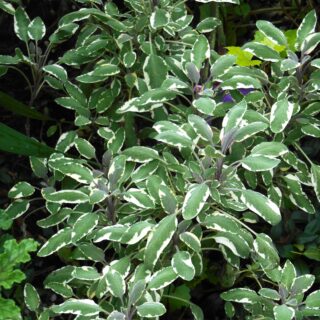
Tricolor culinary sage

Sage ‘The Savior’

  “Why should a man die in whose garden grows sage? Against the power of death there is not medicine in our gardens But Sage calms the nerves, takes away hand Tremors, and helps cure fever. Sage, castoreum, lavender, primrose, Nasturtium, and athanasia cure paralytic parts of the body. O sage the savior, of nature the conciliator!” From the Regimen Sanitatis Salernitanum ca 1100-1200 CE   The name Salvia officinalis, designating our common culinary sage, derives its species name from...

 Hedges and Hedgerows for a Healthier and More Peaceful Life, Part 1

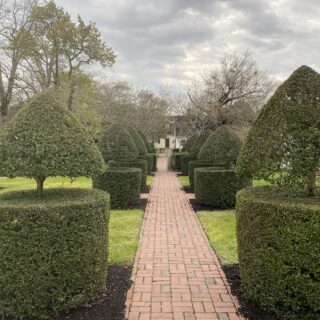
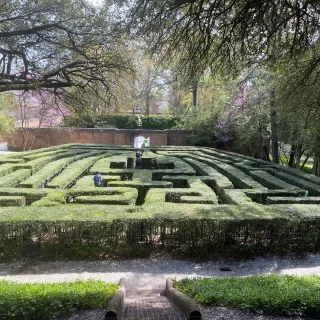
  The Living Fence Gardening is the art of domesticating the wild, of creating living geometry within our landscapes.  Order, symmetry, lines, and boundaries please the eye and soothe the spirit.  We are inclined to organize and define our spaces by dividing them up into smaller pieces we can manage, to protect them within walls and behind gates.  We contain what is ours, setting aside sacred space, our own ‘paradise,’ from the wider world.  We exclude the unwanted wildness living...

Yaupon, A Native American Tea

“What’s in a name? That which we call a rose, By any other word would smell as sweet.” William Shakespeare, Romeo and Juliet v. Q2 1599     What is in a name?  How does naming a thing affect its destiny and how later generations will view it?  The story of how a popular native holly came by its name, and how that name destroyed a promising Colonial American industry, demonstrates that names have incredible power to shape the future....

Diospyrus virginiana, the Divine Fruit

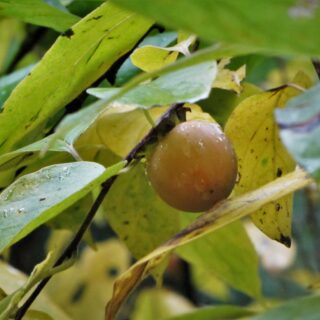
  A sadly spindly ‘mystery tree’ grows on a steep slope in our back fern garden.  I first noticed it six or seven years ago.  Its top was broken off in a winter snowstorm a while ago, and its odd growth pattern, plain looking leaves and immature bark left me clueless about its identify.  My best guess was that perhaps it was a paw paw tree, since the leaves are similar, and we have a stand of those nearby. But...

Planting a ‘Food Forest’ at Home for Sustainable Harvests

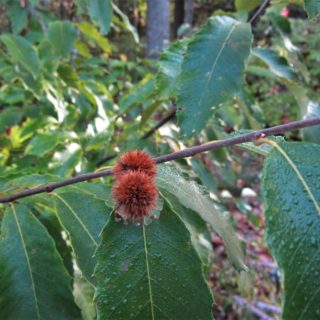
For most of human history, families relied on gathering foods growing in their environment for some portion of their diet.  And many of these delicious and nutritious foods grow on long-lived trees or shrubs, from persistent perennials, or from plants that readily self-seed.  This very sustainable form of agriculture allows for food production with few inputs of water, fertilizer or labor, once the plants establish.  Perhaps most importantly, there is minimal disturbance to the soil’s ecosystem.